DSCR Loans 101: How Investors Get Approved Without W-2s or Tax Returns
Debt Service Coverage Ratio (DSCR) loans represent an innovative financing option designed specifically for real estate investors. Unlike traditional loan assessments that typically evaluate personal income through W-2 forms or tax returns, DSCR loans focus primarily on the cash flow generated by the property itself. This unique approach allows investors to obtain financing based on the income the property can produce, making it a significant tool for those who may not have conventional income verification.
Howard Hubbard
4 min read
Understanding DSCR Loans
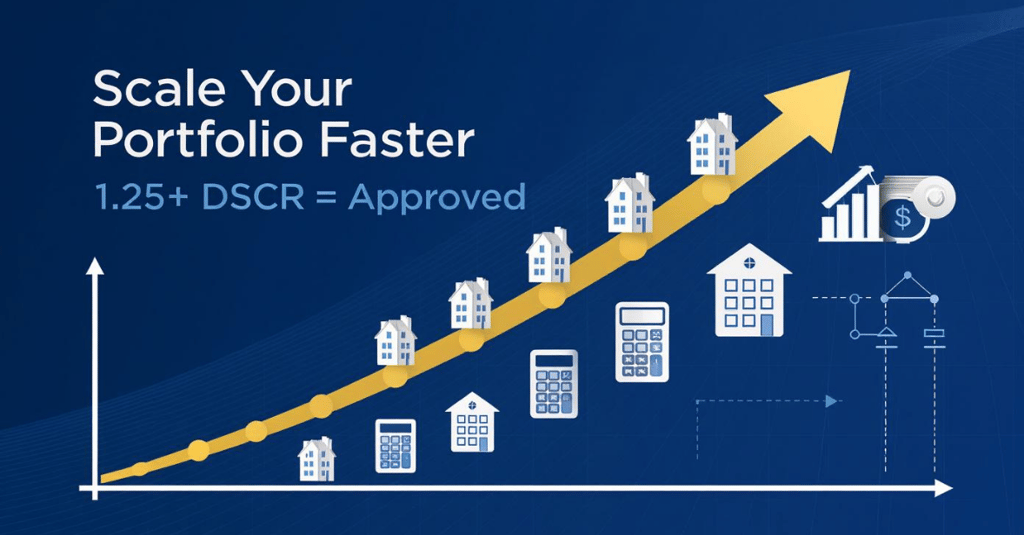
Debt Service Coverage Ratio (DSCR) loans represent an innovative financing option designed specifically for real estate investors. Unlike traditional loan assessments that typically evaluate personal income through W-2 forms or tax returns, DSCR loans focus primarily on the cash flow generated by the property itself. This unique approach allows investors to obtain financing based on the income the property can produce, making it a significant tool for those who may not have conventional income verification.
The essence of DSCR is encapsulated in its calculation: the ratio compares a property's net operating income (NOI) to its total debt service. A DSCR greater than one indicates that the property generates sufficient income to cover its debt obligations, a crucial factor that lenders consider when approving such loans. This aspect is particularly relevant for investors who may deal with properties that are fully rented or have a strong rental history, thus demonstrating their ability to produce consistent cash flow.
One of the main advantages of DSCR loans is their flexibility, allowing for a broader range of applicants. Investors who may not qualify for conventional loans due to a lack of verifiable income or those who may be self-employed can still gain access to capital for property investments. This makes these loans more appealing, especially in an increasingly competitive real estate market.
In essence, DSCR loans create opportunities for investors who utilize non-traditional income sources or those whose financial situations don’t align with conventional lending criteria. By focusing on property income rather than personal financial history, DSCR loans broaden accessibility and empower more investors to engage in real estate ventures effectively.
The Benefits of DSCR Loans for Investors
DSCR loans, or Debt Service Coverage Ratio loans, serve as a significant advantage for real estate investors seeking financing options that are distinct from traditional methods. Unlike conventional loans that require extensive documentation, including W-2s and tax returns, DSCR loans offer a streamlined process that emphasizes cash flow rather than personal income verification. This flexibility allows investors to focus on the performance of their properties rather than their personal financial status.
One of the primary benefits of DSCR loans is the expedited approval process. Traditional financing can often be lengthy, requiring extensive paperwork and waiting periods. In contrast, DSCR loans can typically be processed more quickly due to the simplified documentation requirements. This is especially valuable for investors looking to take advantage of time-sensitive opportunities in the real estate market, enabling them to act faster compared to their counterparts utilizing standard financing methods.
Moreover, DSCR loans reduce the reliance on personal income verification. Since these loans are primarily assessed based on the income generated from the investment property, investors with unconventional income sources or those who are self-employed can find these loans particularly beneficial. This not only increases accessibility for a broader range of investors but also allows more seasoned investors to scale their portfolios efficiently, acquiring more properties without being encumbered by traditional verifications.
Overall, the profile created by DSCR loans complements the needs of today’s real estate investors, affording them the opportunity to expand their investments without the cumbersome requirements associated with traditional lending practices. By leveraging these advantages, investors can create a sustainable path toward growth in their real estate ventures.
How to Qualify for DSCR Loans
Qualifying for Debt Service Coverage Ratio (DSCR) loans primarily revolves around the property’s performance rather than the borrower's personal financial assessment. The aim of this financing method lets investors secure funding based on an investment property’s cash flow potential. A critical aspect in this process is the determination of an acceptable DSCR ratio, which is typically set at a minimum threshold of 1.0. This means that the net operating income (NOI) produced by the property should cover at least the debt obligations associated with the loan.
To compute the DSCR, one should divide the property’s NOI by the total debt service. For instance, a property generating $100,000 in NOI with annual debt obligations of $80,000 would yield a DSCR of 1.25, which is considered acceptable and can enhance the chances of loan approval. Investors should ensure that their properties not only meet these basic criteria but also demonstrate strong cash flow stability, as lenders often look for consistent income patterns as part of their evaluation process.
Moreover, lenders will assess the financial performance of the investment property more rigorously than the borrower's financial history. Thus, having well-documented cash flow statements and financial analyses can significantly increase the likelihood of obtaining a DSCR loan. Other factors, such as property type, location, and market trends, may also influence approval decisions. Therefore, it is imperative for investors to provide comprehensive documentation that illustrates the property’s ability to generate income, which is more favorable than focusing solely on personal income or tax returns.
Tips for Successfully Navigating the DSCR Loan Process
Securing a Debt Service Coverage Ratio (DSCR) loan can be a strategic move for real estate investors, particularly those who do not have traditional income documents such as W-2s or tax returns. However, navigating the loan process requires careful planning and execution. Here are several practical tips to enhance your chances of successfully obtaining a DSCR loan.
First and foremost, it is essential to thoroughly research lenders that specialize in DSCR loans. Not all lenders offer this type of financing, so identifying those that do is crucial. You may want to explore local banks, credit unions, and online lenders, as they often have varying approval criteria. Reading reviews and comparing terms can help you find a lender that best meets your needs.
Next, prepare your documentation meticulously. Although DSCR loans typically do not require conventional income proof, lenders will assess other financial documents to evaluate your investment strategy accurately. This may include rental agreements, bank statements, and details of current debts. The more organized and comprehensive your paperwork, the smoother the approval process is likely to be.
Maximizing cash flow on your investment properties is another vital strategy. Lenders will look closely at your property’s income potential to determine the loan amount you qualify for. Ensuring your properties are well-managed and optimized for rental income can significantly influence your DSCR and the lender's confidence in your repayment ability. Consider conducting regular market assessments to keep your rental rates competitive.
Finally, leverage your existing real estate investments effectively. A solid portfolio can enhance your credibility and increase your chances of approval. Lenders are inclined to work with borrowers who demonstrate a history of successfully managing properties. By showcasing your experience and the cash flow generated by your investments, you can build a compelling case for your DSCR loan application.
Contact
Helping you secure smart commercial loans
Phone
info@belllending.com
682-312-4533
© 2026. All rights reserved.